
Idaho homes deal with both ends of the temperature scale: triple-digit summer afternoons and winter mornings well below freezing. The best honeycomb shades address both problems with the same design, which is why they’re one of the more practical window covering choices for Treasure Valley homeowners rather than a purely decorative one.
How Honeycomb Shades Actually Work
Honeycomb shades, also called cellular shades, are built from fabric folded into a series of connected cells that look like a honeycomb when viewed from the side. Those cells trap a layer of air between the glass and the room. Trapped air is a natural insulator, so the shade acts as a buffer against heat moving through the window in either direction.
Why That Matters in an Idaho Climate
- In summer, honeycomb shades help slow heat gain from direct sun, easing the load on air conditioning during peak afternoon hours
- In winter, the same trapped-air design helps reduce heat loss through the glass overnight
- Single-cell and double-cell (also called double-honeycomb) options offer different levels of insulation depending on the window and room
Single-Cell vs. Double-Cell Construction
| Construction | Best For |
|---|---|
| Single-cell | Standard windows where moderate insulation and a lower profile are the priority |
| Double-cell | Windows with significant temperature swings, such as west-facing rooms or older single-pane windows |
Light Control Without Losing Efficiency
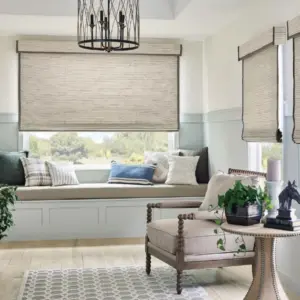
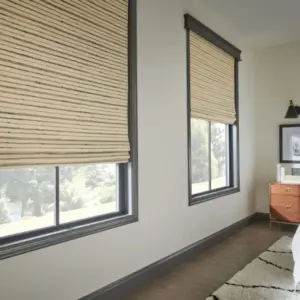
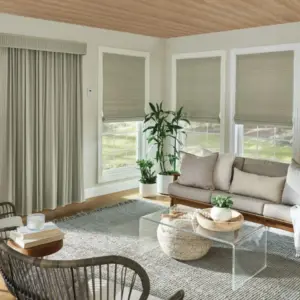
Honeycomb shades come in light-filtering and blackout fabric options, so the insulating benefit doesn’t force a tradeoff on how much light enters the room. A light-filtering honeycomb shade softens direct sun while still letting daylight through, which works well in living rooms and kitchens. A blackout honeycomb shade combines insulation with near-total light blockage, a useful pairing for bedrooms.
Top-Down Bottom-Up Operation
Many honeycomb shades can be raised from the bottom, lowered from the top, or both, giving privacy on the lower half of a window while still letting light in through the top. That flexibility is part of why honeycomb shades work well in bedrooms, bathrooms, and any room facing the street.
Custom Fit Is Part of the Efficiency
A honeycomb shade only insulates as well as it fits the window. Gaps along the frame let air move around the shade instead of through it, undercutting the insulating benefit. Valley View Blinds measures every window by hand and installs with its own team, so the shade fits tight against the frame where insulation matters most.
See the Cell Structure in Person
Photos don’t capture how a honeycomb shade’s cell structure filters light or feels in hand. Valley View Blinds brings physical samples to your home for a free in-home consultation, so you can compare single-cell and double-cell options and different fabric opacities in your own light before choosing.
Every honeycomb shade is backed by a nontransferable lifetime warranty and professionally installed. Explore the full lineup on the honeycomb shades page.
Frequently Asked Questions
The insulating air pockets in honeycomb shades help reduce heat transfer through the window, which can ease the load on heating and cooling systems, particularly on windows with significant sun exposure or older glass.
Double-cell shades have two rows of connected air pockets instead of one, offering a higher level of insulation, which makes them a good fit for windows with more extreme temperature swings.
Yes, honeycomb shades are available in blackout fabric options in addition to light-filtering fabrics, so you can choose the level of light control that fits each room.
Schedule a Free Consultation
Call Valley View Blinds at (208) 908-7468 or visit the contact page to see honeycomb shade samples and get a custom fit for your home.